



A slip and fall claim against an Illinois store depends on more than the fall itself. Under the Premises Liability Act, 740 ILCS 130/2, a business owes people on its premises reasonable care under the circumstances. Courts then ask a narrower question in most spill cases: did the store create the hazard, know about it, or have enough time to find it? For anyone hurt in an Aurora grocery store, big box retailer, or restaurant, that question shapes what evidence matters.
This post explains the duty, the notice rule, and the steps that protect your claim. It is general information, not legal advice.
What duty does an Illinois store owe its customers?
Section 2 of the Premises Liability Act sets the duty as reasonable care under the circumstances regarding the state of the premises or acts done or omitted on them. The statute also abolished the old common law distinction between invitees and licensees. A customer shopping in an Aurora store is owed that duty of reasonable care.
Reasonable care does not make a store an insurer of every customer’s safety. A fall alone does not prove the store did anything wrong. The claim turns on what the store did or failed to do about the condition that caused the fall.
The notice question: how long was the hazard there?
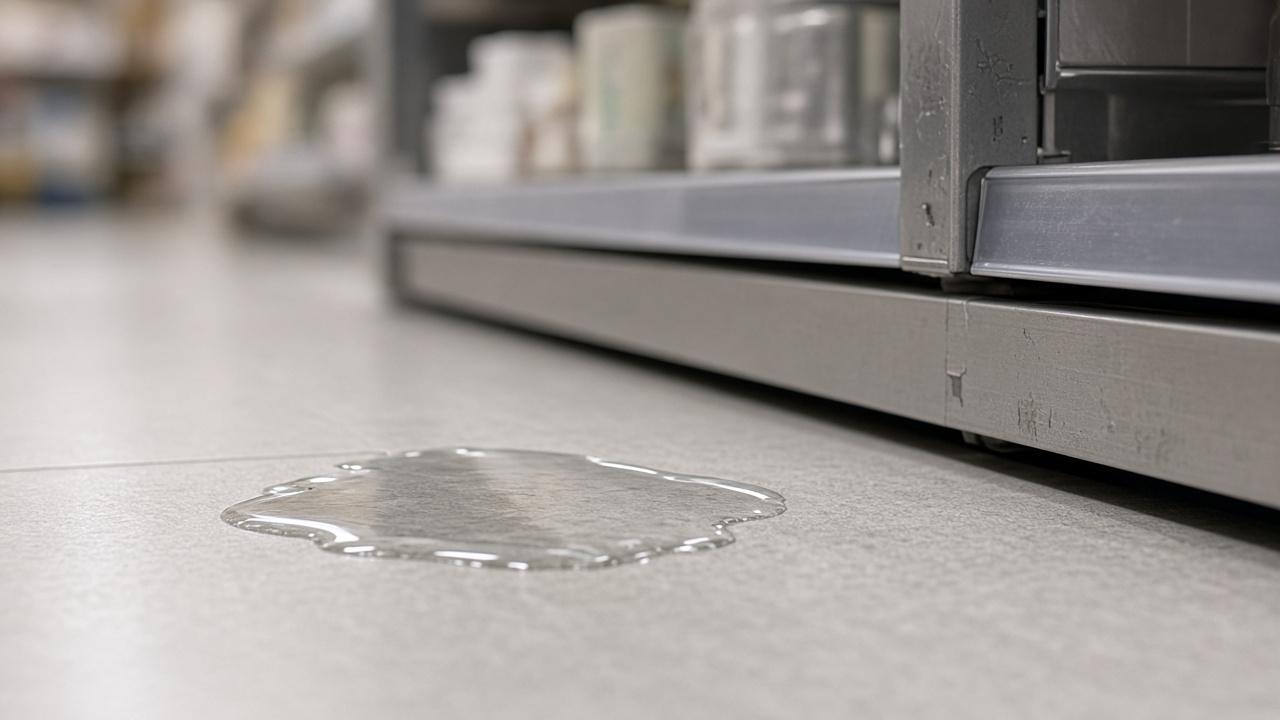
Illinois appellate courts state the rule for foreign substances on a floor in three parts. In Newsom-Bogan v. Wendy’s Old Fashioned Hamburgers of New York, Inc., 2011 IL App (1st) 092860, the court explained that a business may be liable if:
- The business placed the substance there through its own negligence.
- An employee knew the substance was on the floor.
- The substance sat there long enough that the business should have discovered it with ordinary care. Lawyers call this constructive notice.
The third path is where many store claims succeed or fail. Evidence of time matters. Dried edges on a spill, cart tracks running through it, dirt, or a witness who saw it earlier can all show the hazard was not brand new. In Newsom-Bogan, the court reversed summary judgment for the restaurant and sent the case back for further proceedings.
Click to contact our personal injury lawyers today
Common hazards in Aurora stores
Fox Valley shoppers face the same hazards found in stores everywhere, plus a long winter:
- Spilled liquids near coolers, produce misters, and checkout lanes
- Fallen merchandise or packaging left in aisles
- Loose floor mats that bunch or slide
- Broken tile or uneven thresholds at entry doors
Snow, ice, and slush are different. Under the natural accumulation rule, a store generally has no duty to remove ice outside or slush customers track in, though an unnatural accumulation or a defective mat can change that. The firm’s post on snow and ice slip and fall liability covers the natural accumulation rule in detail.
For a Free Legal Consultation

What to do right after a fall in a store
Your evidence starts disappearing the moment someone mops the floor. If you can do so safely:
- Photograph the floor before anyone cleans it. Capture the substance, its size, any tracks through it, and the nearest shelf or display.
- Photograph your shoes and clothing. Wet or stained spots support your account.
- Ask for a manager and request an incident report. Ask for a copy, or at least the report number and the manager’s name.
- Get witness names and phone numbers. Another shopper who saw the spill earlier can matter a great deal.
- Note camera locations. Look up for ceiling cameras near the spot where you fell.
- Get medical care promptly. Tell the provider exactly how you fell.
Avoid guessing about fault in the incident report. Describe what happened and what you saw on the floor.
Why store video matters
Surveillance footage can show when a spill happened, who walked past it, and whether staff saw it. Many systems record over old footage on a schedule. A written request to preserve video, sent early, gives the store notice that the footage matters. Your own photos remain important because video may not cover every aisle.
Medical records and missed work
A store claim also needs proof of what the fall cost you. Medical records tie your injuries to the date and the way you fell, so tell each provider the same accurate account. Keep every bill, receipt, and pharmacy record in one folder. Write down missed shifts and ask your employer for a short letter confirming the dates. Note the daily tasks you could not do, such as driving, lifting a child, or climbing stairs. Gaps in care give the store’s insurer room to argue the injury came from something else, so follow your treatment plan and keep your appointments.
When the fall happens on public property
The rules change if you fall on city or other public property instead of in a private store. Under 745 ILCS 10/3-102, a local public entity must use ordinary care to keep its property reasonably safe, and it is not liable unless it had actual or constructive notice of the unsafe condition in time to fix it. Under 745 ILCS 10/8-101, many suits against local public entities and their employees must be commenced within one year. The firm’s post on suing a city in Illinois explains more.
For a private store, injury suits generally must be commenced within two years under 735 ILCS 5/13-202.
Shared fault in slip and fall cases
Stores often argue that a customer should have seen the hazard. Illinois uses modified comparative fault under 735 ILCS 5/2-1116. If your share of fault is more than 50 percent, you cannot recover. If it is 50 percent or less, your damages are reduced by your share. Photos of lighting, sight lines, and the spill’s color against the floor help answer a “you should have looked” argument.
More information is available on the firm’s Aurora slip and fall page.
Frequently asked questions
Do I have to prove the store knew about the spill?
Not always. Illinois courts also allow liability when the store created the hazard or when the substance was there long enough that ordinary care would have revealed it. That last path is called constructive notice.
How long do I have to file a slip and fall lawsuit in Illinois?
Personal injury suits generally must be commenced within two years under 735 ILCS 5/13-202. Claims against a local public entity often must be commenced within one year under 745 ILCS 10/8-101.
Can I still recover if I was partly at fault?
Yes, if your share is 50 percent or less. Under 735 ILCS 5/2-1116, your damages are reduced by your percentage of fault, and recovery is barred above 50 percent.
If you were hurt in a fall at an Aurora area business and have questions, you can contact Shammas Law Office at 312-909-2129 (Aurora office, 411 W Galena Blvd Ste 102) or 312-971-5959 (Chicago office). You pay nothing up front, and you owe no fee unless the firm recovers money for you. This article is general information, not legal advice.
Sources
- 740 ILCS 130/2, Premises Liability Act duty of care: https://www.ilga.gov/legislation/ilcs/documents/074001300K2.htm
- Newsom-Bogan v. Wendy’s Old Fashioned Hamburgers of New York, Inc., 2011 IL App (1st) 092860: https://www.illinoiscourts.gov/files/1092860.pdf/opinion
- 745 ILCS 10/3-102, Local public entity duty and notice: https://www.ilga.gov/legislation/ilcs/documents/074500100K3-102.htm
- 745 ILCS 10/8-101, Tort Immunity Act limitation: https://www.ilga.gov/legislation/ilcs/documents/074500100K8-101.htm
- 735 ILCS 5/13-202, Personal injury limitations: https://www.ilga.gov/legislation/ilcs/documents/073500050k13-202.htm
- 735 ILCS 5/2-1116, Modified comparative fault: https://www.ilga.gov/legislation/ilcs/documents/073500050k2-1116.htm
Call 312-971-5959 or Complete a Free Case Evaluation Form