

A pedestrian accident in Aurora is rarely only a paperwork problem. You may be on Galena Boulevard, near a Route 59 retail crossing, or anywhere in a city that spans four counties, where the responding agency and the later court venue are not obvious from memory. Drivers and insurers often reach for shared-fault arguments quickly in pedestrian files. What you document in the first days, and which deadline applies, can matter as much as what you remember months later.
This overview covers immediate steps, Illinois fault rules, and timing after an Aurora pedestrian crash. It is general information, not legal advice.
First steps after an Aurora pedestrian crash
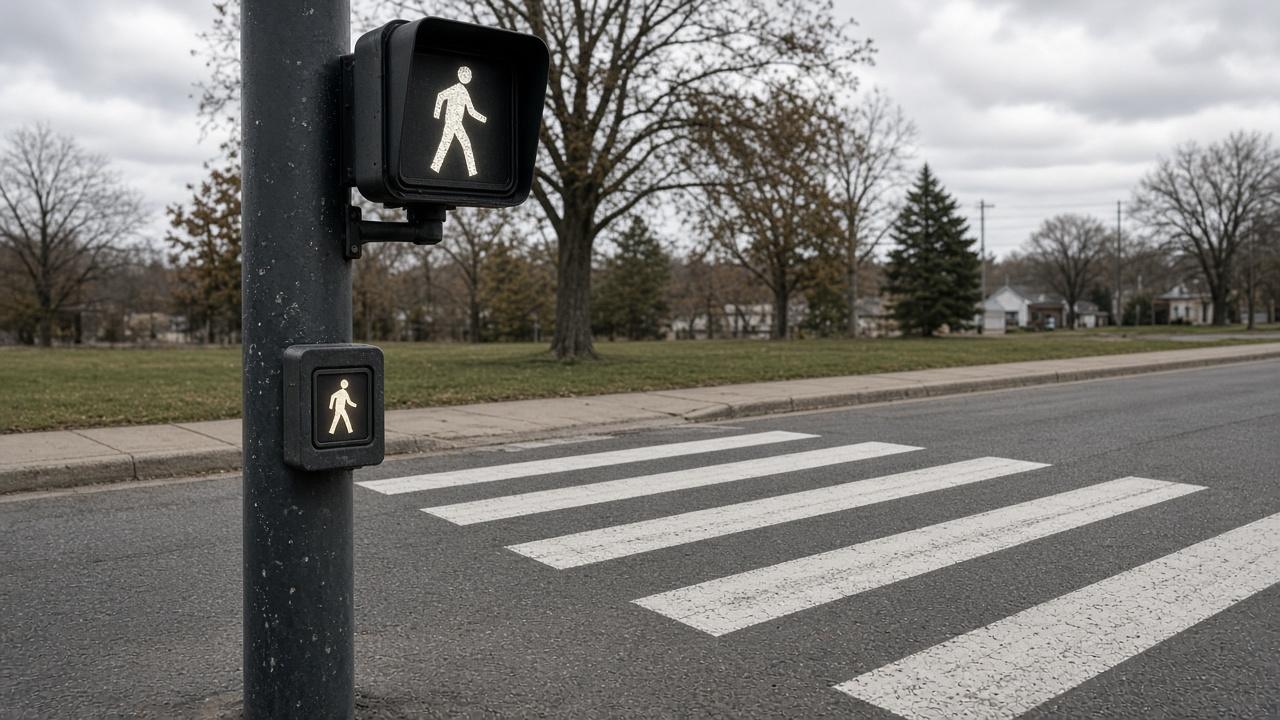
Call 911 when you can. Ask for police and medical help. If you can do so safely before leaving the scene, photograph the crosswalk, signal heads, lane position, vehicle damage, your visible injuries, and nearby cameras or storefronts. Get the responding agency name and report number. Collect witness names. Do not apologize or guess about fault at the scene or in a recorded call.
Seek medical care the same day when possible, or as soon as symptoms appear. Tell every provider you were hit as a pedestrian and give the date and approximate location. Soft-tissue injuries and concussions often announce themselves later. Gaps in treatment become fault and causation arguments.
Illinois modified comparative fault in pedestrian claims
Pedestrian claims in Illinois still run through modified comparative fault in 735 ILCS 5/2-1116. A finding that your contributory fault is more than 50 percent of the proximate cause of the injury or damage bars recovery. If that share is not more than 50 percent, recovery remains available, and damages are reduced by your percentage of fault.
That line is why insurers ask whether you were outside the crosswalk, looking at a phone, wearing dark clothing, or “darting” between cars. Those questions are aimed at raising your percentage. Photos of the signal phase, crosswalk paint, and your position relative to the curb help keep the narrative tied to the scene instead of a later reconstruction guess.
Click to contact our personal injury lawyers today
Two years for many injury suits, one year for many city claims
Actions for damages for an injury to the person generally must be commenced within two years after the cause of action accrued under 735 ILCS 5/13-202. Talking to an adjuster does not file a lawsuit.
Claims against a local public entity or its employees often run on a shorter clock. Under 745 ILCS 10/8-101(a), no civil action other than the patient-care actions described in subsection (b) may be commenced against a local entity or its employees for any injury unless it is commenced within one year from the date the injury was received or the cause of action accrued. If an Aurora city vehicle, a poorly maintained city condition tied to a public defendant, or another local public entity is in the mix, treat timing as urgent.
For a Free Legal Consultation

What to document beyond the police report
- Signal indications and crosswalk markings as they appeared that day
- Clothing visibility and lighting conditions without staging photos
- Nearby doorbell, transit, or business camera leads, requested quickly
- Shoe damage, phone damage, and any torn clothing as physical evidence
- A written list of missed work and out-of-pocket costs
- Follow-up visit dates if symptoms change
Do not repair or discard damaged clothing or devices until they are photographed. Avoid signing medical releases that reach far past the crash injuries until you understand the scope.
Crosswalk arguments insurers reuse
Expect questions about whether the walk signal had started, whether you stepped off between parked cars, and whether headlights should have made you visible. Answer those questions with photos and the report, not with guesses on a recorded line. If you were in a marked crosswalk with a walk indication, say so once, then stop debating. If you were outside a marked crosswalk, still document lighting, speed, and sight lines. Illinois fault is a percentage analysis, not a single label.
Related Aurora injury pages
Pedestrian crashes often overlap with other injury claims the firm handles in the Fox Valley. See the firm’s Aurora pedestrian accident page and Aurora personal injury page for more.
When a hit-and-run or unknown insurer is involved
If the driver left the scene, write down every partial plate character you saw, the vehicle color and type, and the direction of travel. Report the hit-and-run to police promptly. Your own uninsured motorist coverage may become the practical path, subject to your policy and Illinois law. Still photograph the scene. Still get care. Comparative fault arguments can appear even in uninsured files, so keep the same evidence habits.
If the crash involves a Pace bus, a separate Illinois transit statute, 70 ILCS 3615/5.03, generally gives you one year to sue, and other notice requirements can apply. That is shorter than the ordinary two-year personal injury period, so get advice promptly instead of waiting for a full medical picture.
Insurance and recorded statements
Report the crash to your own insurer if your policy requires it, even when you believe the driver caused it. Your policy may include medical payments or uninsured motorist coverage that matters while liability is disputed. Keep claim numbers in one note. You can provide basic facts. A broad recorded statement that debates crosswalk timing is how percentages get locked in early under 735 ILCS 5/2-1116.
Children and older pedestrians
Aurora pedestrian files involving children or older adults raise extra proof issues around visibility, crossing speed, and supervision, but they still move through the same comparative-fault statute unless a different rule applies. Document the child’s age, the adult companion if any, school-zone signs, and signal timing. Do not accept an insurer narrative that treats every pediatric pedestrian crash as automatic shared fault. Keep the focus on the driver’s lookout and speed as shown by the scene.
Frequently asked questions
What if the insurer says I was partly at fault as a pedestrian?
735 ILCS 5/2-1116 still allows recovery when contributory fault is not more than 50 percent, with damages cut by that share. A share above 50 percent bars recovery in the actions the statute covers.
How long do I have if the City of Aurora or another local public entity is involved?
Many claims against local public entities or their employees must be commenced within one year under 745 ILCS 10/8-101(a). Confirm whether that limit, or another notice rule, fits your facts.
Why does the Aurora county line matter after a pedestrian crash?
Venue and records can change with the county line. Aurora crosses Kane, DuPage, Will, and Kendall counties. Photograph the location and keep the responding agency’s report number.
For a case-specific evaluation, contact Shammas Law Office at 312-909-2129 (Aurora office, 411 W Galena Blvd Ste 102) or 312-971-5959 (Chicago office). There is no attorney fee unless the firm recovers compensation for you. This article is general information, not legal advice.
Sources
- 735 ILCS 5/2-1116, Limitation on recovery in tort actions: https://www.ilga.gov/Documents/legislation/ilcs/documents/073500050k2-1116.htm
- 735 ILCS 5/13-202, Personal injury limitations (two-year period commonly applied to injury-to-person actions): https://www.ilga.gov/documents/legislation/ilcs/documents/073500050k13-202.htm
- 745 ILCS 10/8-101, Tort Immunity Act limitation: https://www.ilga.gov/Documents/legislation/ilcs/documents/074500100K8-101.htm
- 70 ILCS 3615/5.03, Regional Transportation Authority Act: https://www.ilga.gov/Documents/legislation/ilcs/documents/007036150K5.03.htm
Call 312-971-5959 or Complete a Free Case Evaluation Form