


After a motorcycle crash in Aurora, the fight over money often becomes a fight over percentages. Illinois uses modified comparative fault under 735 ILCS 5/2-1116. A rider whose fault is more than 50 percent of the cause recovers nothing. A rider at 50 percent or less can still recover, with damages reduced by that share. Every argument an insurer raises about speed, lane position, or visibility aims to move that number.
This post walks through how shared fault works for riders, the arguments that come up most, and the evidence that answers them. It is general information, not legal advice.
How does Illinois shared fault work for motorcycle riders?
Section 2-1116 of the Code of Civil Procedure sets the line at 50 percent. A jury or factfinder assigns a percentage of fault to each person whose conduct caused the crash. The rider’s award drops by the rider’s own percentage. Above 50 percent, the statute bars recovery.
Here is how the reduction works in plain terms. A rider found 20 percent at fault keeps 80 percent of the damages awarded. A rider found 51 percent at fault keeps nothing. That cliff explains why the percentage matters so much.
What a helmet does and does not change
Illinois has no motorcycle helmet requirement. Many riders still hear that skipping a helmet will reduce a claim. The firm’s post on why Illinois insurers cannot use the missing helmet against you covers the case law in full.
Eye protection is a different matter. Under 625 ILCS 5/11-1404, every operator and passenger must be protected by glasses, goggles, or a transparent shield, which can be a face shield or a windshield that rises above the rider’s eyes. Contact lenses do not count. Lighting rules apply too. Under 625 ILCS 5/12-201(a), a motorcycle on an Illinois highway must show at least one lighted lamp at all times, or use a modulating headlamp instead.
Click to contact our personal injury lawyers today
Left turn crashes and the yield rule
A car turning left across a rider’s path is one of the most common motorcycle crash patterns, and busy Aurora intersections see plenty of left turns. Illinois law speaks to it directly. Under 625 ILCS 5/11-902, a driver turning left within an intersection or into a driveway must yield to any vehicle approaching from the opposite direction that is so close as to be an immediate hazard.
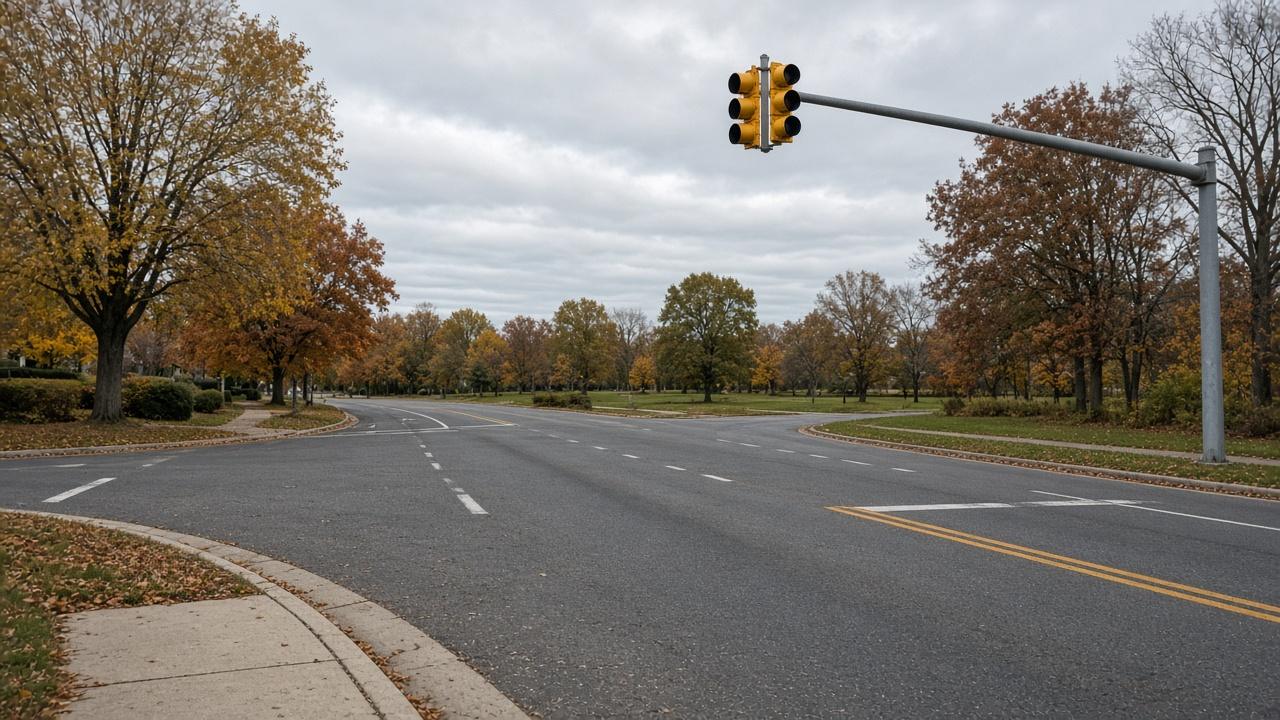
Drivers in these crashes often say they never saw the motorcycle. That statement does not erase the yield duty. Insurers then shift to the rider’s speed or position. Evidence that helps answer those points includes:
- Scene photos showing sight lines, signal positions, and the turn lane
- Traffic or business camera footage requested quickly before it records over
- Vehicle damage photos for both the motorcycle and the car
- Witness names collected at the scene
- Your headlight status, documented by photo after the crash
For a Free Legal Consultation

Other arguments riders often hear
“You were speeding.” Speed claims need support. Skid marks, video, and damage patterns carry more weight than a driver’s estimate made after the fact.
“You were in my blind spot.” Lane position matters, but a driver changing lanes still has to check that the lane is clear. Photos of where each vehicle came to rest help reconstruct the movement.
“You came out of nowhere.” This phrase often signals a lookout failure by the driver. Ask witnesses what they saw before the impact, not only after.
“You should have avoided it.” Evasive action takes time and space. A rider rarely has much of either when a car turns suddenly. Braking hard on a motorcycle can also cause a fall of its own, which an adjuster may later describe as rider error.
What happens when more than one driver is at fault
Some motorcycle crashes involve two vehicles, or a driver and a road contractor. Under 735 ILCS 5/2-1117, all defendants found liable are jointly and severally liable for past and future medical expenses. For other damages, a defendant less than 25 percent at fault pays only its own share, and a defendant at 25 percent or more is jointly and severally liable. Naming every responsible party early helps make sure fault gets divided accurately.
Why riders face extra skepticism
Some riders feel adjusters start from an assumption that the motorcycle caused the crash. Illinois law does not work that way. The factfinder looks at what each person actually did, and the driver’s duties to keep a lookout, yield, and check a lane before moving apply the same way to a motorcycle as to a car.
The practical answer to that skepticism is detail. Keep a written account of the ride: where you started, your route, your lane, and what you saw in the seconds before impact. Record the weather and road surface. Note whether the sun sat low in anyone’s eyes. Save your riding gear and any helmet camera footage. Ask witnesses whether they saw the other vehicle’s turn signal or brake lights. Write it down within a day or two, while the details are fresh. Facts gathered in the first days carry more weight than a reconstruction months later, when the scene has changed and memories have faded.
Steps that protect a rider’s claim
- Call 911 and get the report number. Note which agency responded, since Aurora spans four counties.
- Get medical care the same day when possible. Riders often have injuries that worsen over the following days.
- Keep your gear. Do not repair or throw away your helmet, jacket, or eyewear until they are photographed.
- Avoid recorded statements that debate fault. Give basic facts to insurers and stop there.
- Watch the calendar. Injury suits generally must be commenced within two years under 735 ILCS 5/13-202.
More information is on the firm’s Aurora motorcycle accident page.
Frequently asked questions
Can I recover if I was partly at fault for my motorcycle crash?
Yes, if your share is 50 percent or less. Under 735 ILCS 5/2-1116, your damages are reduced by your percentage of fault. Above 50 percent, recovery is barred.
Does Illinois require motorcycle riders to wear helmets?
No. Illinois does require eye protection under 625 ILCS 5/11-1404. The operator and any passenger must be protected by glasses, goggles, or a transparent shield, and a tall enough windshield counts.
Who has the right of way when a car turns left in front of a motorcycle?
Under 625 ILCS 5/11-902, a driver turning left must yield to oncoming vehicles close enough to be an immediate hazard. That includes motorcycles.
How long do I have to file a motorcycle injury lawsuit in Illinois?
Personal injury suits generally must be commenced within two years under 735 ILCS 5/13-202. Shorter limits can apply when a public entity is involved.
If you have questions after a motorcycle crash in the Aurora area, you can contact Shammas Law Office at 312-909-2129 (Aurora office, 411 W Galena Blvd Ste 102) or 312-971-5959 (Chicago office). You pay nothing up front, and you owe no fee unless the firm recovers money for you. This article is general information, not legal advice.
Sources
- 735 ILCS 5/2-1116, Modified comparative fault: https://www.ilga.gov/legislation/ilcs/documents/073500050k2-1116.htm
- 735 ILCS 5/2-1117, Joint liability: https://www.ilga.gov/legislation/ilcs/documents/073500050k2-1117.htm
- 625 ILCS 5/11-902, Vehicle turning left: https://www.ilga.gov/legislation/ilcs/documents/062500050K11-902.htm
- 625 ILCS 5/11-1404, Eye protection for motorcycle riders: https://www.ilga.gov/legislation/ilcs/documents/062500050K11-1404.htm
- 625 ILCS 5/12-201, Motorcycle lighted lamp requirement: https://www.ilga.gov/legislation/ilcs/documents/062500050K12-201.htm
- 735 ILCS 5/13-202, Personal injury limitations: https://www.ilga.gov/legislation/ilcs/documents/073500050k13-202.htm
Call 312-971-5959 or Complete a Free Case Evaluation Form